
In Italy the festive season runs from the start of Advent all the way to l’Epifania on 6 January. Along the way it has its own foods, customs and a gift-bringer with a distinctly Italian character. Here is a tour through the season, with the words you will hear.
L’Avvento e il presepe
L’Avvento is the run-up to Christmas, and children often count the days with a calendario dell’Avvento. A key date comes early: 8 December is l’Immacolata (the feast of the Immaculate Conception), a public holiday and the day many families traditionally put up the albero di Natale and set out the nativity scene.
The centrepiece of many homes, churches and town squares is the presepe, a nativity scene, sometimes with elaborate hand-made figures. Traditionally, the baby Jesus is placed in the manger at Christmas, with the Three Wise Men arriving at Epiphany. The Christmas tree is common too, but the presepe is the more traditional symbol.
I dolci
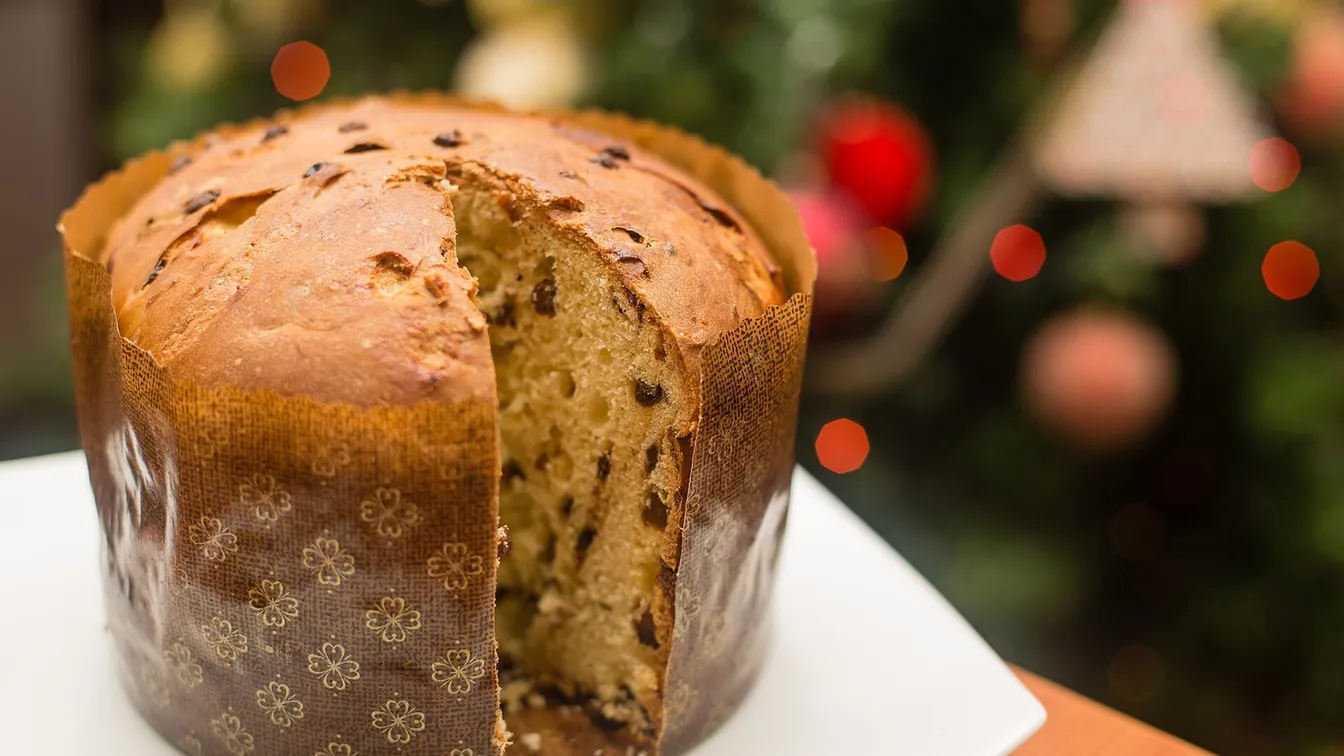
Two sweet breads belong to Christmas. The panettone is tall and domed, with raisins and candied fruit, and is associated with Milan. The pandoro comes from Verona: it is golden, star-shaped and dusted with icing sugar, without any fruit.
You will also find torrone, a nougat made with nuts and honey, in shops and at the mercatini di Natale. Two questions you will hear in December:
Andiamo al mercatino di Natale?
Shall we go to the Christmas market?
Preferisci il panettone o il pandoro?
Do you prefer panettone or pandoro?
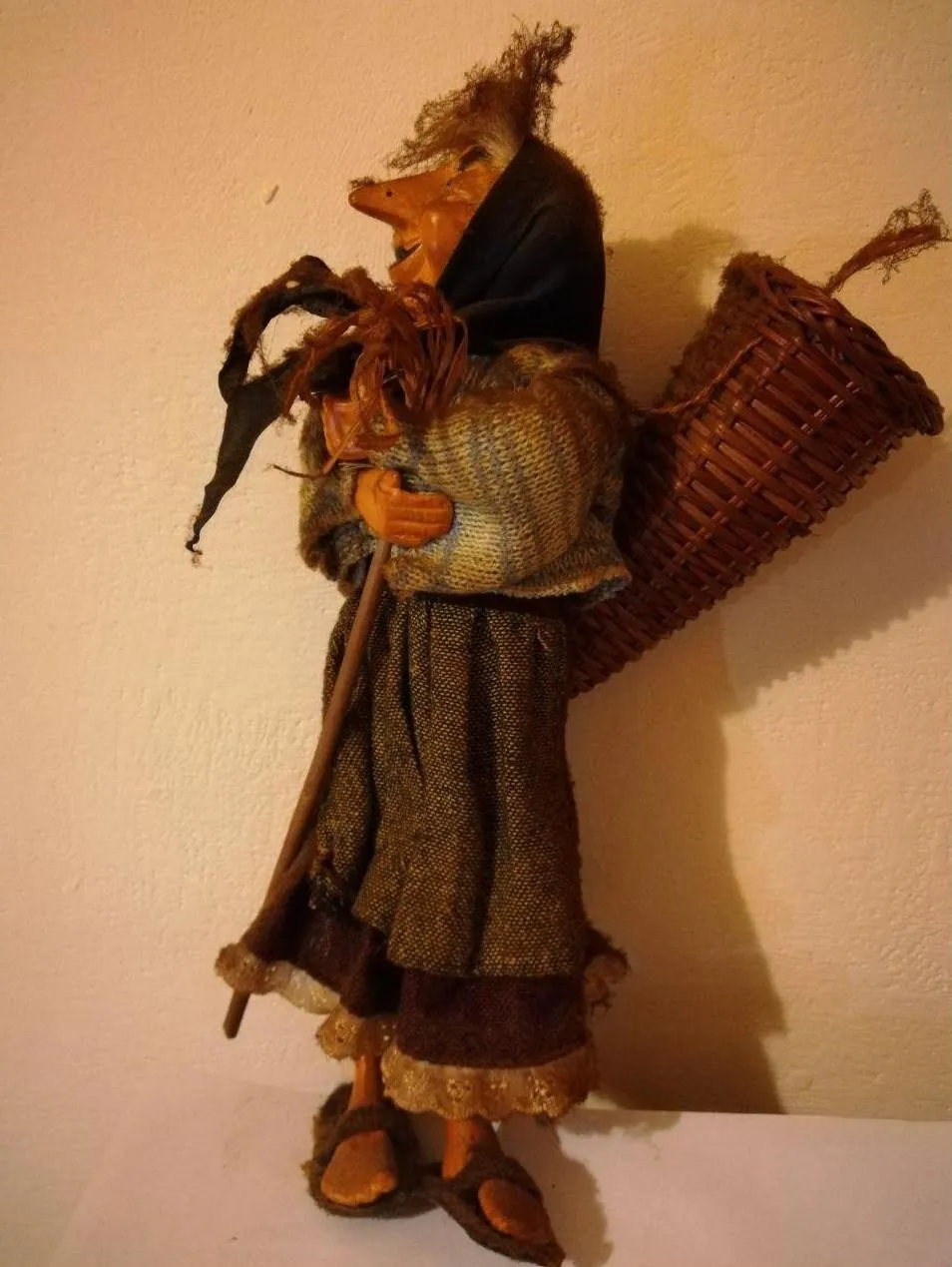 A Befana doll, Tiguliano / Wikimedia Commons (CC BY-SA 4.0)
La Vigilia e il cenone
The evening of 24 December is la Vigilia. Many families sit down to a cenone, a big festive dinner, which is often meat-free and centred on fish, though what is served differs a great deal from region to region.
After dinner the family may play tombola, a bingo-style game. Presents can arrive on Christmas Eve or on Christmas Day, from Babbo Natale.
Natale e Santo Stefano
Christmas Day, Natale, is for family and a long lunch. The next day, 26 December, is Santo Stefano, a public holiday.
Capodanno
Capodanno is New Year’s Day, but the celebrations begin on 31 December, la notte di San Silvestro, with another cenone. A traditional dish is lenticchie, lentils, often served with cotechino, a rich pork sausage, and said to bring good fortune in the coming year.
L’Epifania e la Befana
The season ends on 6 January with l’Epifania, and with la Befana. In the Italian tradition, the Befana is an old woman who flies on a broom and fills children’s calze with sweets and small presents during the night of 5 January.
La Befana arriva la notte tra il 5 e il 6 gennaio.
The Befana arrives on the night between 5 and 6 January. Children who have been naughty are said to find only carbone, a black sugar “coal”.
The Befana’s visit is the last event of the season, and Italians have a saying for it:
L’Epifania tutte le feste porta via.
Epiphany takes all the holidays away.
A greeting to take away
To wish someone a happy Christmas, say Buon Natale! For the whole season you can say Buone feste!, and Tanti auguri! sends your best wishes.